
California sits along some of the most active fault lines in the world, making earthquake damage an ever-present risk for property owners throughout the state. Earthquakes can cause devastating structural damage to homes and businesses, including foundation cracks and shifts, collapsed walls and chimneys, broken utility connections, and damage to contents and personal belongings. The aftermath of an earthquake can leave property owners facing enormous repair costs and significant uncertainty about their insurance coverage.
Our earthquake damage attorneys help California property owners understand their coverage, navigate the claims process, and fight for the full compensation they are entitled to under their policies. Earthquake insurance claims involve unique legal and technical issues that require specialized knowledge, and our team has the expertise to handle even the most complex cases.
Understanding Earthquake Insurance in California
Standard homeowners and commercial property insurance policies in California do not cover earthquake damage — earthquake coverage must be purchased as a separate policy or endorsement. Key facts:
- The California Earthquake Authority (CEA) — a publicly managed entity — provides the majority of residential earthquake insurance policies in the state
- Most earthquake policies carry significantly higher deductibles, often ranging from 10 to 25 percent of the dwelling coverage limit
- For a home insured for $500,000, the earthquake deductible could be $50,000 to $125,000 before any coverage applies
- Coverage for personal property and additional living expenses may be limited or optional under earthquake policies
Common Earthquake Damage to California Properties
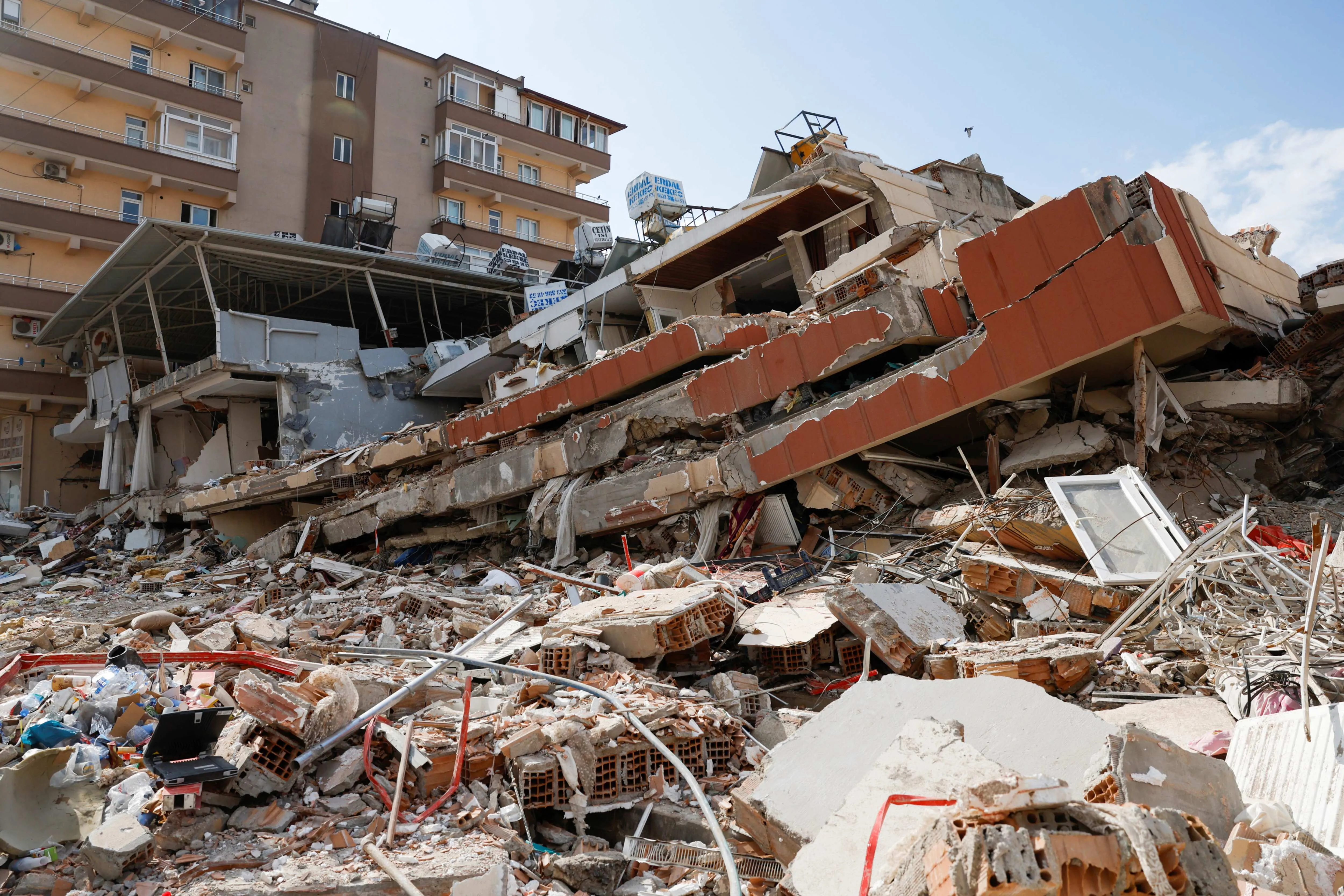
Earthquakes cause damage through ground shaking, ground rupture, liquefaction, and landslides. Common damage includes:
- Foundation damage — cracks in concrete slab foundations, shifting of pier-and-post foundations, failure of cripple walls in older homes
- Structural damage — load-bearing walls, chimneys, and roof systems compromised
- Non-structural damage — cracked drywall, broken windows, damaged plumbing and electrical systems, displacement of contents
The type and severity of damage depends on the earthquake's magnitude, depth, and proximity, as well as the property's construction type, age, foundation system, and soil conditions.
Disputes in Earthquake Insurance Claims
Earthquake insurance claims are among the most heavily disputed categories of property insurance claims. Common insurer tactics include:
- Arguing observed damage was caused by pre-existing conditions, settlement, or other non-earthquake factors rather than seismic activity
- Undervaluing total damage to keep it below the deductible threshold — effectively avoiding any payout
- Relying on surface-level inspections rather than independent expert analysis
Our attorneys retain independent engineers, geologists, and contractors to assess earthquake damage objectively and challenge the insurer's valuation when it does not accurately reflect the true cost of repair.
California Earthquake Authority Claims Process
Property owners with CEA policies must follow specific procedures:
- Claims must be reported promptly
- The CEA assigns an adjuster to inspect the property and assess the damage
- Policyholders who disagree with the CEA's assessment have several options:
- Internal review process
- Mediation or appraisal under the terms of the policy
- Litigation to resolve disputes over coverage and valuation
Our attorneys guide property owners through every stage of this process and advocate for the maximum recovery available.
Preparing for Earthquake Damage Claims
Proactive preparation can significantly strengthen a claim:
- Maintain a current home inventory with photographs, videos, and descriptions of belongings
- Document the condition of the property before an earthquake — photograph foundations, walls, and other structural elements to establish a baseline
- Review your earthquake insurance policy carefully — understand your deductible, coverage limits, and optional coverages
If your property sustains earthquake damage:
- Document everything immediately
- Report the damage to your insurer promptly
- Contact an experienced earthquake damage attorney before providing statements or signing documents
Compensation Available
- Full cost of structural repairs compliant with current building codes
- Personal property and contents replacement
- Additional living expenses during restoration
- Independent expert assessment costs
- Bad faith damages if the insurer unreasonably delays or denies your claim
Contact us today for a free consultation to discuss your earthquake damage claim and ensure your rights are fully protected throughout the claims process.
Tell Us What Happened and How We Can Help
If you believe your rights have been violated, we encourage you to reach out. Our team will review the details of your case and provide clear, honest guidance on your legal options.
A Sherman Oaks Law Firm Advocating for Clients Across California



© 2026 Hamassian Law, APC • All Rights Reserved